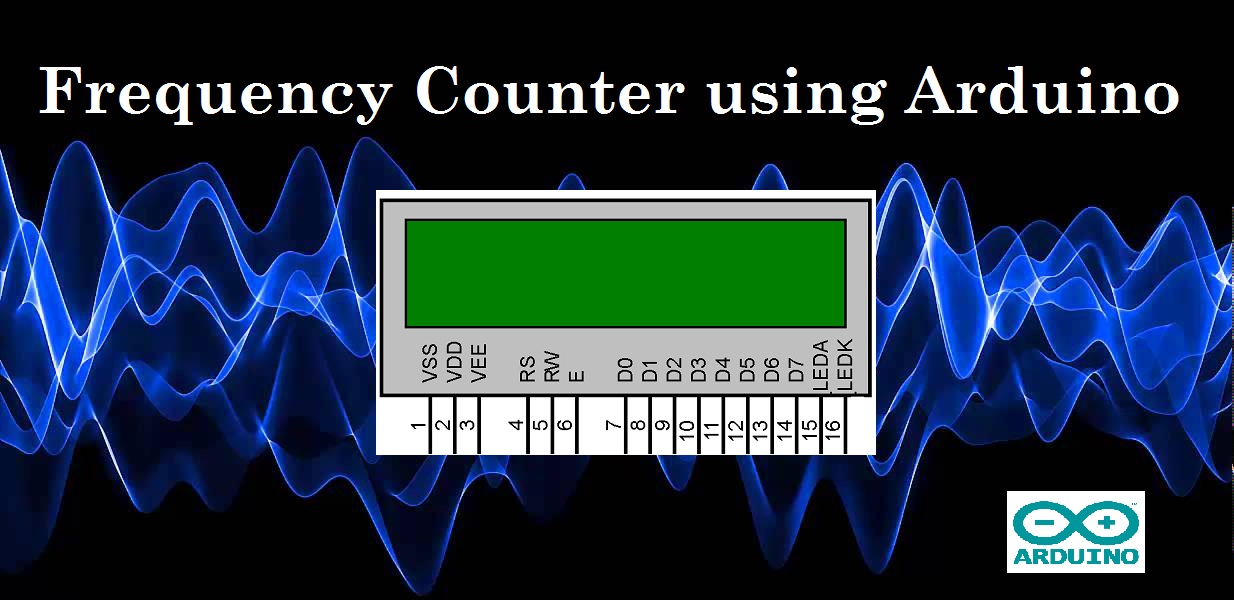
In this post we are going to create a frequency meter using arduino. This frequency counter will count the number of cycles per second and will display the output on 16×2 LCD. We used proteous for simulation purpose and to quickly test our circuit. Full source code is provided at end of the post.
Author: Abdul Rehman
My name is Abdul Rehman and I love to do Reasearch in Embedded Systems, Artificial Intelligence, Computer Vision and Engineering related fields. With 10+ years of experience in Research and Development field in Embedded systems I touched lot of technologies including Web development, and Mobile Application development. Now with the help of Social Presence, I like to share my knowledge and to document everything I learned and still learning.
Research Potential of NLP
Natural Language Processing or NLP is rapidly growing Research Field. There is lot of potential in this field. This is all about processing the way how humans speaks and communicate with each other. Natural languages are as complex as humans are. Because we, as Human can understand each other’s point of view with many different […]
In this post we are going to discuss about rapidly growing Research field which is about Language processing. We list down useful tools and previously well known developed APIs and techniques to use for processing Natural languages. NLP Techniques This Quora post explains it in little more depth. But here are some of the famous techniques […]
Making Http Request in android is very common when it comes to create a Restful API Client Application. Because this is a network call so it is very common that this task is kind of blocking call. When the API becomes more complex like when it needs to authenticate via OAuth2.0 or something, then the […]
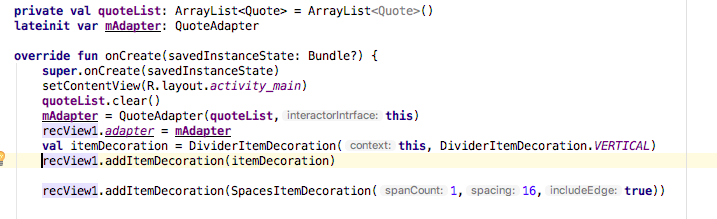
Iterating through collection of items are very common problem in any programming language. But when it comes to latest modern programming languages like Kotlin, this task became more fancy and more options become handy to do different type of iterations. Today we are going to take a deeper look into different version of for loops […]
Speech Recognition is always a difficult and interesting task to do for a lot of beginners. In this post, we are going to describe an easy way to do this tuff task using PocketSphinx. Also, there are more options available in the package other than CMU Sphinx (works offline).
Handling Json Strings in Python
In today’s post, we are going to explain how to handle Jason Strings in Python. There is JSON module in python which is used for JSON string handling. Jason is very common in RESTfull APIs. JSON is the abbreviation of JavaScript Object Notation. Here is Tutorial about Python Dictionaries. We use Dictionary data structure for handling […]
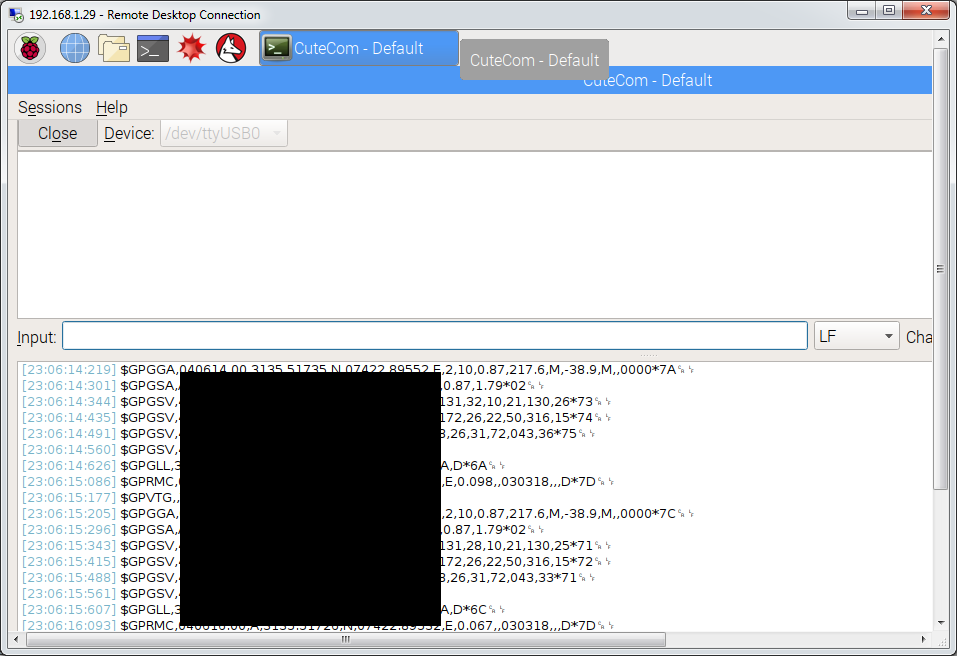
Adafruit has a very good explanation about GPS interfacing. You may follow that tutorial or continue here. To view, the available USB to TTL converter devices use the following command ls /dev/ttyUSB* If you had installed pyserial then you may list all your available COM ports using this command via python python -m serial.tools.list_ports
Raspberry PI GPIO as Input in Python
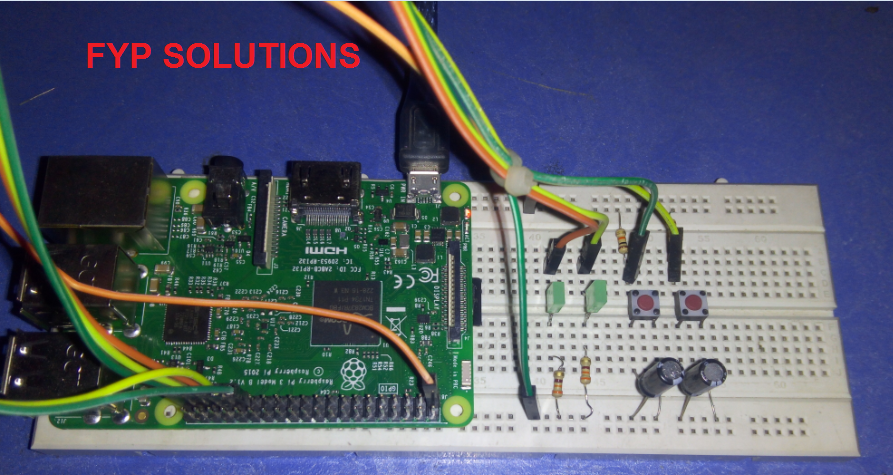
We had mentioned using Raspberry PI GPIO as output in our previous post. Today we will talk about using Raspberry PI GPIO as input. We will try to read input from pushbuttons. We had connected pushbuttons as the Active Low state. Mean the pushbutton will remain in the Active High state unless we press any […]
Getting Started with Raspberry PI GPIO
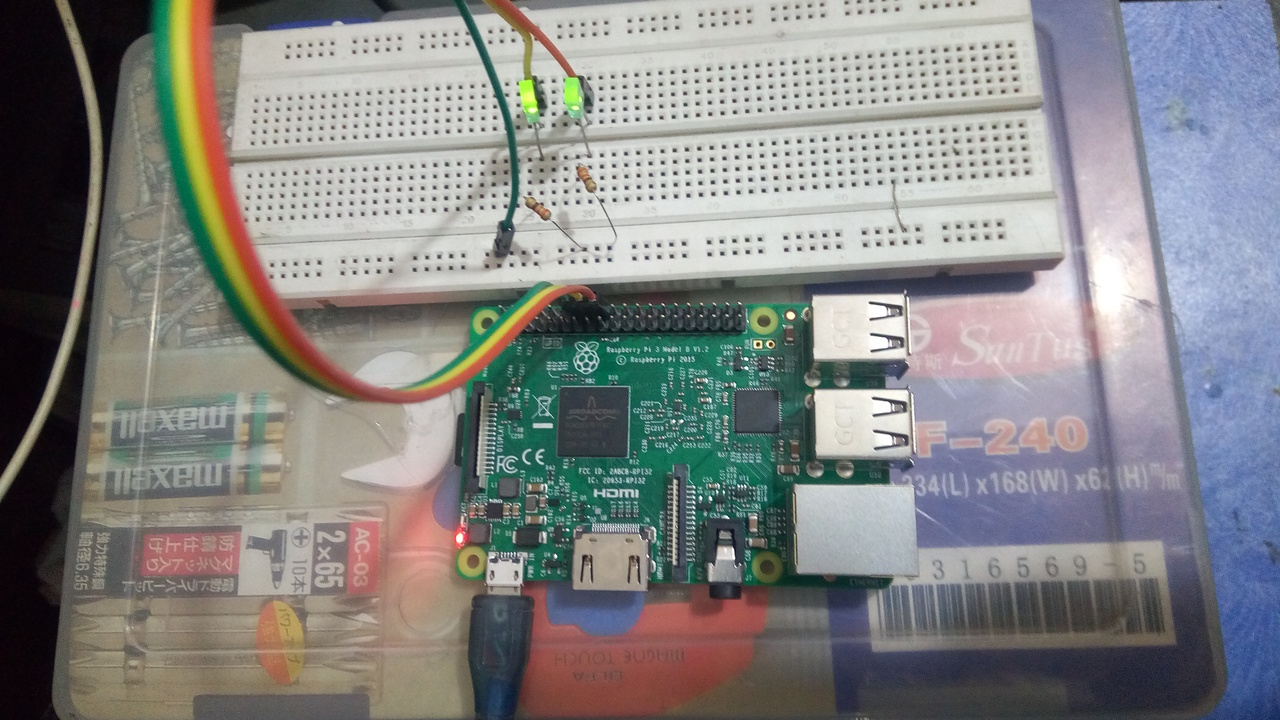
After successfully installing raspbian into Raspberry PI, the first thing which comes into the mind of the embedded developer is to play with Raspberry PI GPIO. Because the very best advantage of this cheap computer is to use with external hardware through its GPIO. We are going to explain how to play with Rasberry PI GPIO’s […]